Gorilla trekking draws plenty of travelers well past retirement age, and most manage it just fine. But the choice between Uganda’s Bwindi Impenetrable Forest and Rwanda’s Volcanoes National Park deserves more thought than a birthday. When people compare bwindi vs volcanoes for older travelers, most blog posts land on a flat verdict: Volcanoes is easier. That answer skips the part that actually matters, which body system you need to protect most, your heart and lungs or your knees and balance.
Is Bwindi or Volcanoes Easier for Older Travelers?
Neither park is universally easier. Volcanoes treks run 1.5 to 4 hours on open volcanic slopes where altitude is the main strain. Bwindi treks run 1 to 6 hours through denser, muddier, steeper terrain where balance matters more. Travelers with cardiac or respiratory limits generally do better at Bwindi. Travelers with knee, hip, or balance issues generally do better at Volcanoes.
That split is the whole story, and it is the piece most comparison sites leave out.
3 Fitness Factors to Weigh Before You Choose
1. Altitude vs terrain
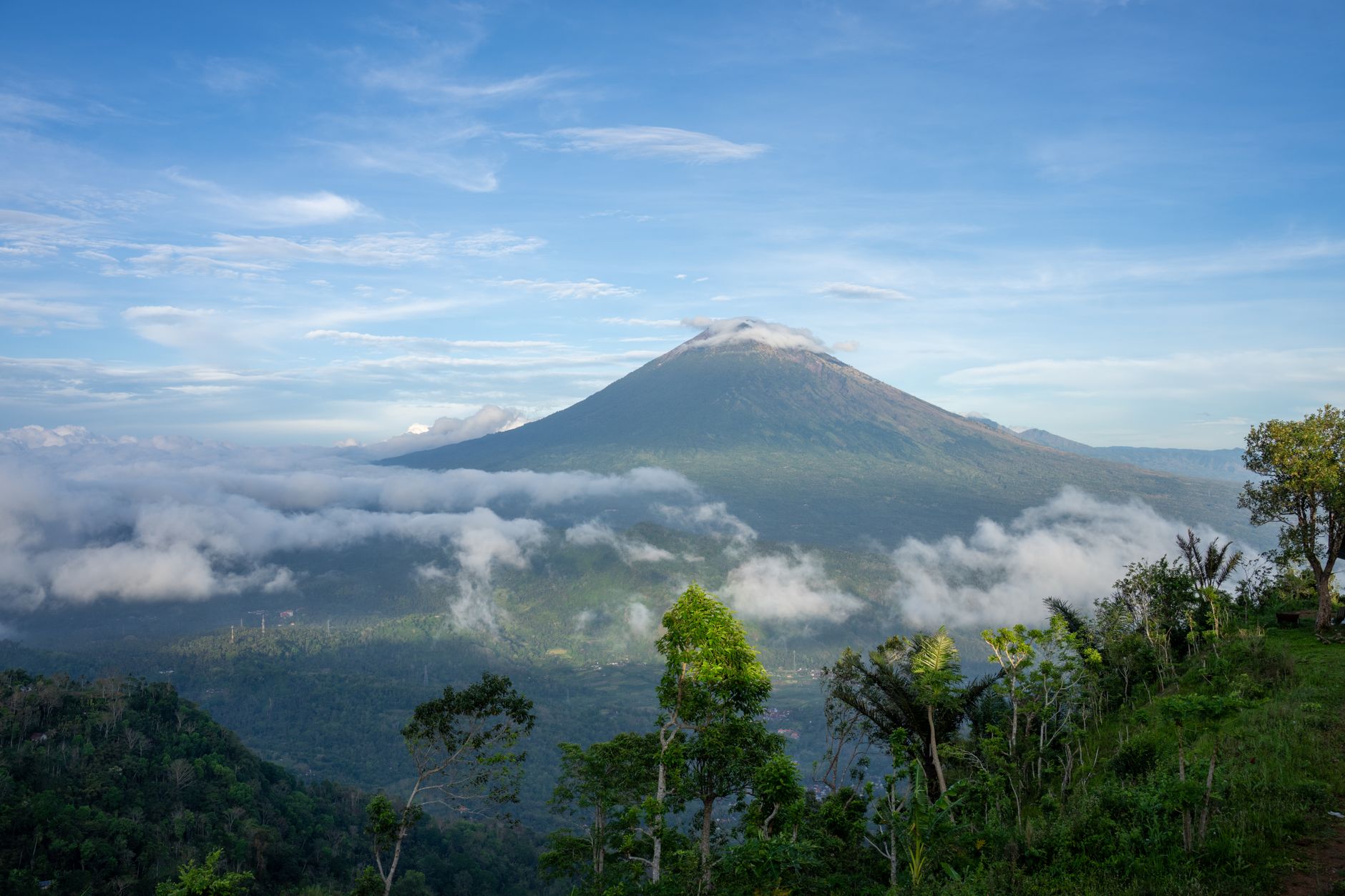
Volcanoes gorilla families sit between roughly 2,500 and 4,500 meters, so breathlessness and mild altitude headache are the real risk, not distance walked. Bwindi sits lower, between about 1,160 and 2,607 meters, with little altitude risk, but the ground is slick, root-covered, and steep in places. If you manage altitude poorly, that thin Volcanoes air can hit harder than a longer walk would. If your knees or ankles are the weak point, Bwindi’s uneven footing is the bigger concern. Match the park to the specific limitation, not to a general reputation for being “easier.”
2. Travel time and airport accessibility
Volcanoes is a paved, roughly 2 to 2.5 hour drive from Kigali International Airport, which is one reason it gets called the gentler option. Bwindi is harder to reach by road, often 4 to 10 hours from Entebbe depending on the route. A short domestic flight to Kihihi or Kisoro closes most of that gap. Add a 1 to 2 hour transfer, and you skip a full day in a vehicle.
3. Age limits, porters, and sedan chairs
Both parks set a strict minimum age of 15, with no maximum age at either. Trekkers in their 80s and 90s complete these treks every year, usually with a porter, a walking stick, and planned rest stops. Bwindi’s 15-year minimum age rule applies to the whole family too. Younger grandchildren on a multi-generation trip will need a different activity while grandparents trek.
Porters cost roughly $15 to $20 a day at both parks. They are worth hiring even if you feel fit, since they carry your pack and offer a steadying arm on the trail. Volcanoes also offers four-person sedan-chair teams, running roughly $300 to $350, for travelers who cannot complete the walk on foot. This option is far less commonly arranged at Bwindi. If a sedan chair is a real possibility for you, that alone may tip the decision toward Volcanoes.
Cost: Bwindi vs Volcanoes Permits and Total Trip Price
A Bwindi gorilla permit costs $800 per person through the Uganda Wildlife Authority. A Volcanoes permit costs $1,500 per person through the Rwanda Development Board. That gap carries through the whole trip.
| Item | Bwindi (Uganda) | Volcanoes (Rwanda) |
|---|---|---|
| Gorilla permit | $800 per person | $1,500 per person |
| Airport transfer | 4-10 hrs drive, or flight plus 1-2 hr transfer | 2-2.5 hrs paved drive |
| Porter | $15-20 per day | $15-20 per day |
| Sedan chair | Rarely offered | Roughly $300-350 |
| Indicative 3-night trip total, per person | $2,500-$4,000 | $4,500-$7,000 |
Those trip totals are broad ranges, since lodge tier and season move the number a lot. If you want to see how that compares to a broader safari budget, check the real cost of a Volcanoes golden monkey add-on. It is worth reviewing before you commit to a Rwanda-only itinerary. Many older travelers pair either park with a longer Kenya-based trip rather than treating gorilla trekking as a standalone journey. It is worth reviewing Kenya safari cost as a baseline for the rest of the trip.
Bwindi vs Volcanoes for Older Travelers: Which Should You Choose?
Choose Bwindi if you manage altitude poorly but have decent balance and can afford a porter. Choose Volcanoes if you have joint or mobility limits but tolerate altitude well and want the shorter, paved drive from Kigali. Neither choice should rest on age alone. Match the park to your specific physical limitation, not to a number on a birthday cake.
If gorilla trekking itself feels like too much strain regardless of park, it is not the only way to see Africa’s wildlife in retirement. Several senior-friendly safari options that skip strenuous activity cover savanna wildlife viewing from a vehicle, with none of the trekking demands of either park.
Before you book either country, check your travel insurance policy for age and pre-existing condition exclusions. Gorilla trekking permits are non-refundable, and some policies cap coverage past a certain age. If you manage diabetes or another condition needing cold storage, confirm in advance whether your lodge can refrigerate insulin or other medication. Not every property in either park has reliable power.
Your Next Step
Before booking, get a written note from your doctor confirming you are fit for moderate altitude exertion (for Volcanoes) or sustained uneven-terrain walking (for Bwindi). Most permit-issuing bodies and tour operators will ask for this anyway. It gives you a clear, honest answer before you spend $800 or $1,500 on a permit you cannot use. Once you have that clearance, compare safari operators like FindMySafari, Valley Safaris, or Trunktrails Safaris. See which one builds in the pacing, porter arrangements, and rest days that match your fitness profile.
More safari planning resources
- Kenya safari packages from SafariPure
- Kenya wildlife tours from Trunktrails Safaris
- Nairobi to Maasai Mara route guide from Valley Safaris
- Compare Kenya safari packages on FindMySafari